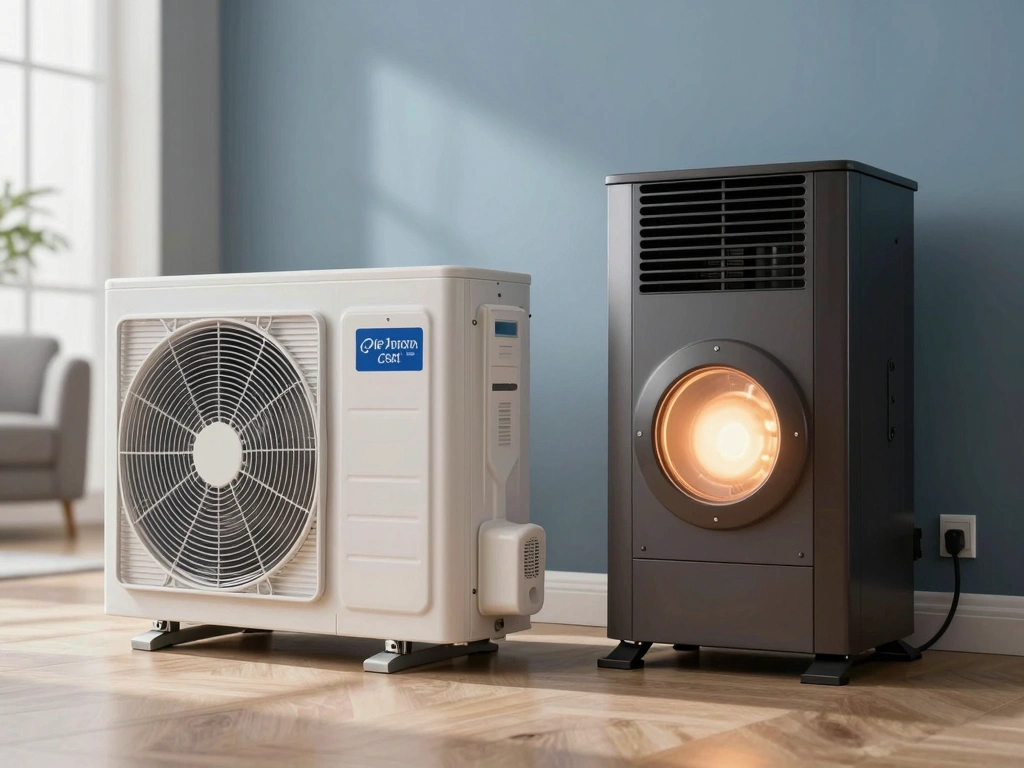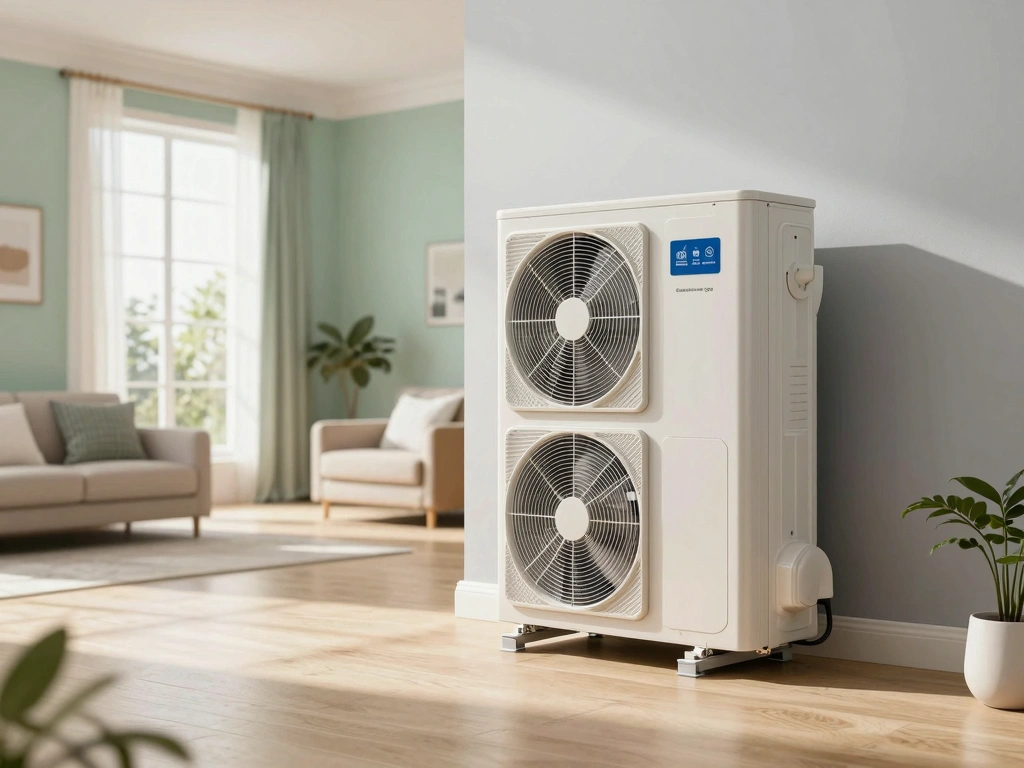
Understanding Short Cycling in HVAC Systems
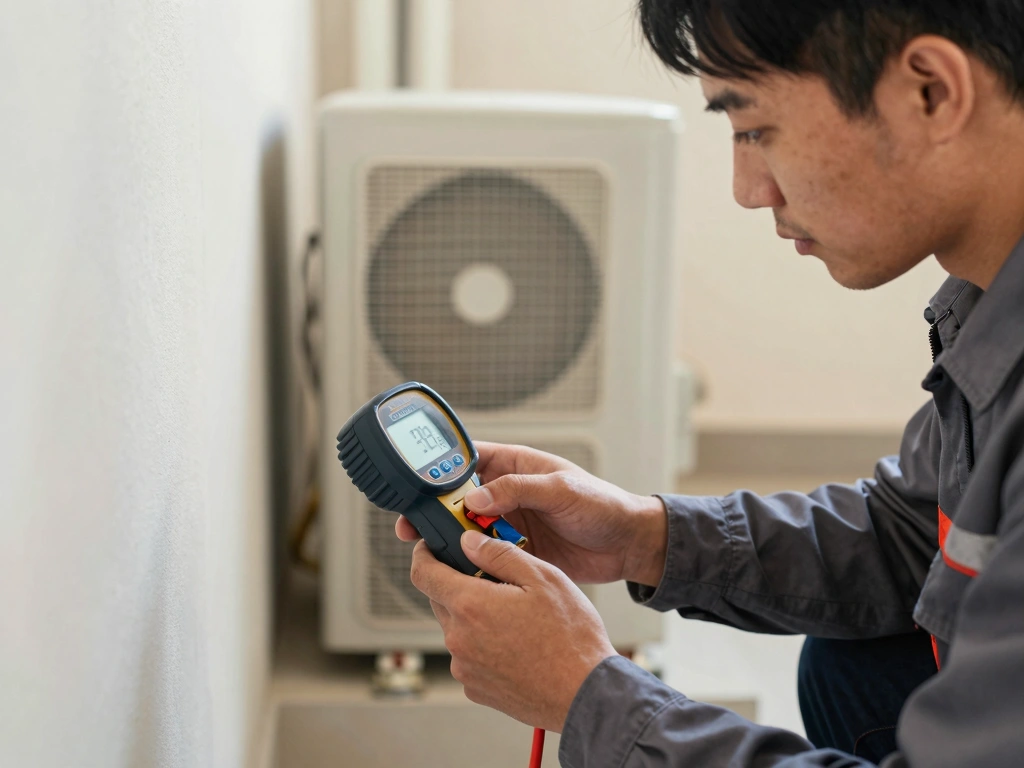
Definition and Causes of Short Cycling
Short cycling refers to the phenomenon where an HVAC system turns on and off frequently in a short period rather than running through a complete heating or cooling cycle. This behavior can significantly reduce the efficiency and lifespan of the system. Common causes of short cycling include:
- Improper HVAC sizing: An oversized or undersized unit can lead to short cycling as it struggles to maintain the desired temperature.
- Thermostat issues: A malfunctioning thermostat may send incorrect signals to the HVAC system, causing it to turn on and off unnecessarily.
- Dirty air filters: Clogged filters restrict airflow, leading to overheating and frequent shutdowns.
- Ductwork problems: Leaks or blockages in the duct system can result in lost air pressure, forcing the HVAC unit to work harder and cycle more frequently.
Impact of Short Cycling on Energy Efficiency
Short cycling can severely impact energy efficiency. When an HVAC system frequently starts and stops, it consumes more energy than when it runs steadily. According to the Department of Energy, short cycling can increase energy consumption by up to 30%. This inefficiency not only leads to higher utility bills but also strains the system, leading to premature wear and tear.
Common Symptoms of Short Cycling
Identifying short cycling early can save homeowners from costly repairs. Common symptoms include:
- Frequent on/off cycles, typically less than 10 minutes apart.
- A noticeable temperature imbalance in different rooms.
- Increased energy bills without a corresponding rise in temperature setting.
- Unusual noises or vibrations coming from the HVAC unit.
The Importance of Proper HVAC Sizing
Factors Influencing HVAC Size Requirements
Several factors influence the size of an HVAC system required for a home:
- Square footage: The total area of the home is a primary factor in determining the appropriate size of the HVAC unit. A general rule of thumb is that you need about 20 BTUs (British Thermal Units) per square foot of living space.
- Insulation quality: Well-insulated homes retain heat better, potentially requiring smaller units compared to poorly insulated homes.
- Number of windows: The size, number, and type of windows can affect heat gain or loss, influencing HVAC size.
- Climate zone: Homes in hotter climates may need larger cooling systems, while those in colder areas may require more heating capacity.
Consequences of Oversized and Undersized Systems
Both oversized and undersized HVAC systems can lead to short cycling:
- Oversized systems: They cool or heat the space too quickly, causing the thermostat to shut off before the system runs through a full cycle. This can lead to excess humidity and discomfort.
- Undersized systems: These systems struggle to reach the desired temperature, leading to prolonged run times and potential overheating, which can also cause short cycling.
How Sizing Affects System Performance
Proper HVAC sizing directly correlates with system performance. A correctly sized system operates efficiently, maintaining a consistent temperature without excessive cycling. In contrast, improperly sized systems can lead to discomfort, increased wear on components, and higher energy costs.
Calculating the Correct HVAC Size
Manual J Load Calculation Explained
One of the most reliable methods for determining the size of an HVAC system is the Manual J Load Calculation, developed by the Air Conditioning Contractors of America (ACCA). This method takes into account various factors, including:
- The home’s square footage and layout.
- The insulation levels in walls, ceilings, and floors.
- The number and type of windows and doors.
- Local climate data and regional weather patterns.
By using this comprehensive approach, HVAC professionals can accurately estimate the heating and cooling requirements, ensuring the system is neither oversized nor undersized.
Using BTUs to Determine System Size
British Thermal Units (BTUs) are a standard measurement for HVAC capacity. The size of HVAC systems is typically rated in BTUs per hour. For instance, a 2-ton air conditioning unit has a cooling capacity of approximately 24,000 BTUs per hour. To determine the appropriate BTU capacity, you can multiply the square footage of the home by the required BTUs per square foot. For example:
- If your home is 1,500 square feet, you would require approximately 30,000 BTUs (1,500 sq. ft. x 20 BTUs).
Tools and Resources for Accurate Sizing
Several tools and resources can aid in accurate HVAC sizing, including:
- HVAC Load Calculation Software: Programs like CoolCalc or Wrightsoft can assist in performing Manual J calculations.
- Online HVAC Sizing Calculators: Many manufacturers and HVAC websites offer basic calculators that can provide a rough estimate based on square footage.
- Professional Services: Consulting with a licensed HVAC contractor is often the best approach for precise sizing and installation.
Preventing Short Cycling Through Proper Installation
Significance of Professional Installation
Even with the right HVAC size, improper installation can lead to short cycling issues. Hiring a professional HVAC technician ensures that the system is properly installed, calibrated, and configured for optimal performance. Professionals can also check for issues like duct leakage or incorrect thermostat placement that could contribute to short cycling.
Common Installation Mistakes Leading to Short Cycling
Common mistakes during installation that can lead to short cycling include:
- Poor ductwork design: Inadequate duct sizing or placement can restrict airflow and cause the system to short cycle.
- Improper thermostat placement: If the thermostat is located in a drafty area or near heat sources, it may not accurately gauge the home’s temperature, leading to erratic cycling.
- Inadequate refrigerant charge: An improperly charged system can fail to operate efficiently, leading to short cycling.
Adjustments After Installation to Ensure Proper Functionality
After installation, it’s crucial to perform several adjustments to ensure the system runs optimally. This includes:
- Testing the system to confirm it reaches the set temperature within a reasonable time.
- Checking airflow and making necessary adjustments to the duct system.
- Calibrating the thermostat to ensure accurate readings.
Long-Term Benefits of Proper HVAC Sizing
Enhanced Comfort and Indoor Air Quality
Properly sized HVAC systems not only prevent short cycling but also enhance overall comfort. They maintain consistent temperatures, ensuring that no areas in the home are too hot or too cold. Improved air circulation and filtration also contribute to better indoor air quality, reducing allergens and pollutants.
Reduced Maintenance Costs Over Time
By preventing short cycling and ensuring proper operation, homeowners can significantly reduce maintenance costs. HVAC systems that run efficiently tend to require fewer repairs and last longer. Regular maintenance, combined with proper sizing, can extend the lifespan of the unit, making it a worthwhile investment.
Environmental Benefits of Efficient HVAC Systems
Efficient HVAC systems consume less energy, which not only saves homeowners money but also benefits the environment. Reducing energy consumption decreases greenhouse gas emissions and reliance on fossil fuels. According to the U.S. Environmental Protection Agency, energy-efficient HVAC systems can reduce energy consumption in homes by 20-50%.